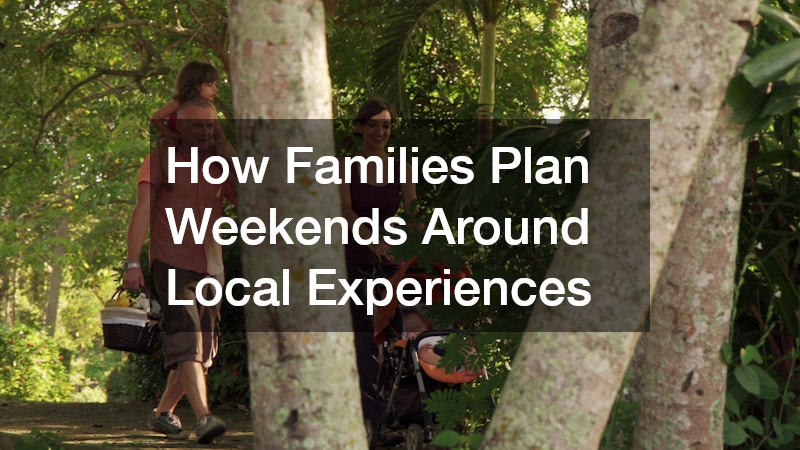

Weekends are often the most anticipated part of the week for families—and yet, they’re also when stress can spike. After a full workweek, many families fall into one of two patterns: overpacking the schedule with activities or doing almost nothing at all and feeling like time slipped away. Neither extreme tends to leave families feeling refreshed or connected.
Intentional weekend planning isn’t about scheduling every minute. It’s about making thoughtful choices that reflect your family’s values, energy levels, and goals. When weekends are planned around meaningful local experiences, families often find that they argue less, enjoy each other more, and start the next week feeling grounded instead of depleted.
The good news is that planning better weekends doesn’t require complicated systems or expensive outings. It starts with understanding your family and using your local community as a resource rather than an afterthought.
Understanding Your Family’s Weekend Priorities Before You Plan

Before looking outward at activities and experiences, it helps to look inward. Every family has different rhythms shaped by work schedules, school demands, personality differences, and even seasons of life. What feels energizing and fun for one household may feel rushed or overwhelming for another. Taking time to understand your own family’s patterns creates a foundation for weekends that feel supportive rather than chaotic.
A useful starting point is having an open, low-pressure conversation together. This doesn’t need to be formal or lengthy. It can happen during a casual dinner or while driving, as long as everyone has space to share honestly. The goal is not to reach perfect agreement, but to build awareness.
Some core questions worth revisiting regularly include:
- How much structure does our family enjoy on weekends?
Some families thrive with a clear plan and set timelines, while others feel boxed in by too much scheduling. Understanding where your family falls on this spectrum helps determine whether detailed planning or loose outlines work better. - Do we recharge more at home or by going out?
For some people, staying home restores energy. For others, getting out of the house is what breaks stress cycles. Most families have a mix of both, and recognizing that balance prevents one approach from dominating every weekend. - Which moments help us feel most connected?
Connection doesn’t always come from big activities. It might happen during slow breakfasts, shared walks, or simple routines. Identifying these moments allows you to protect them when planning other commitments. - What typically causes weekend stress?
Pinpointing stressors—such as rushing between activities, lack of downtime, or unclear expectations—makes it easier to avoid repeating the same frustrations.
Many families find it helpful to loosely categorize weekends based on their primary focus. These categories aren’t rigid rules, but gentle guidelines that make planning easier:
- Rest-focused weekends for recovery, when energy is low or the week has been especially demanding
- Social weekends for gatherings and events, where connection with others is the priority
- Exploration weekends for trying something new, visiting a new place, or breaking routine
- Reset weekends for errands and organization, which creates a sense of calm for the week ahead
You don’t need to assign a label to every weekend. Even having these categories in mind informally can prevent mismatched expectations—like one person hoping for downtime while another assumes the schedule will be packed. When everyone has a shared understanding of the weekend’s general purpose, there’s often less tension and fewer disappointments.
Energy differences within the family also play a major role in how weekends feel. These differences are easy to overlook but have a big impact on success:
- Younger children often peak earlier in the day, making mornings the best time for outings or activities that require focus and patience
- Teens may prefer fewer, longer activities rather than bouncing between multiple stops
- Adults may underestimate how draining transitions can be, especially when coordinating multiple people and responsibilities
Acknowledging these patterns allows families to plan with compassion rather than frustration. Instead of pushing through exhaustion or forcing everyone into the same mold, planning becomes an exercise in working with each other’s needs. When weekends align more closely with how your family actually functions, they tend to feel smoother, calmer, and far more enjoyable.
Using Local Dining as a Flexible Weekend Anchor
Meals are natural pause points in the day, which makes dining an ideal anchor for weekend plans. Rather than treating meals as something to squeeze in between activities, many families intentionally plan around them.
Choosing the right restaurants can shape the entire flow of a day. A relaxed lunch can reset moods after a busy morning, while an engaging dinner can feel like the event itself.
For families with kids, interactive dining options—like a hibachi restaurant—can be especially effective. The built-in entertainment keeps children engaged and reduces restlessness, allowing adults to enjoy the experience rather than rushing through it.
Helpful strategies include:
- Scheduling meals slightly earlier than peak hours to avoid long waits
- Picking one meal per day to eat out instead of multiple stops
- Using meals as transition points between home time and activities
- Letting kids help choose the location to increase buy-in
When dining is planned intentionally, it becomes a shared experience instead of a logistical stressor.
Staying Informed Without Feeling Overwhelmed

One of the biggest challenges families face is deciding which local happenings are worth their time. In most communities, there are dozens of events going on each weekend, and the sheer volume of options can quickly turn excitement into decision fatigue. When families feel pressure to stay informed about everything, planning can start to feel like another chore rather than something to look forward to.
Instead of trying to track every possible option, many families benefit from creating a short, repeatable discovery routine. This keeps everyone informed without overwhelming them. For example, some families choose one trusted community calendar to check midweek, while others subscribe to a single local newsletter that highlights upcoming activities. Limiting your sources helps prevent information overload and makes it easier to spot what truly stands out.
When evaluating potential activities, it helps to look beyond how appealing something sounds and consider how it will actually fit into your weekend. A few practical questions can make decision-making much easier:
- Duration: Is this a brief outing or an all-day commitment? Shorter activities often leave room for flexibility, while longer ones may crowd out rest or other plans.
- Flexibility: Can you leave early if energy drops or plans change? Events that allow you to come and go tend to feel less stressful for families.
- Energy cost: How tiring will this be afterward? Some activities may be fun in the moment, but lead to exhaustion that affects the rest of the weekend.
- Fit: Does this align with where your family is right now? An exciting event may still be the wrong choice if everyone is already stretched thin.
Many families also find it helpful to maintain a simple “maybe list” of upcoming activities. This can be a short note on your phone, a section of a shared calendar, or a mental shortlist discussed during planning check-ins. The key is that these activities are possibilities, not commitments.
A “maybe list” offers several advantages:
- It keeps good ideas from being forgotten
- It reduces pressure to decide too far in advance
- It allows plans to match real-time energy and mood
If the weekend arrives and energy is high, you already have appealing options ready. If the week has been draining and rest feels more important, you can skip those plans without guilt. This approach gives families flexibility while still making room for enjoyable local experiences.
Hosting and Attending Celebrations Without Burning Out
Weekends often revolve around social commitments—birthdays, anniversaries, showers, and family gatherings. While these moments can be meaningful, too many in a row can quickly lead to burnout.
When hosting celebrations, choosing appropriate party venues can reduce stress dramatically. The right setting can minimize cleanup, provide built-in activities for kids, and create natural time boundaries.
When attending larger events, such as weddings that involve wedding catering and extended schedules, it’s important to plan beyond just the event itself. Consider travel time, prep time, and recovery time.
Helpful planning tips:
- Avoid stacking multiple major events in one weekend
- Block off buffer time before and after gatherings
- Prep children ahead of time so they know what to expect
- Build in at least one low-key activity afterward
By thinking holistically, families can enjoy celebrations without feeling depleted.
Planning Ahead for Family Trips and Overnight Needs

Even short weekend getaways require thoughtful planning, especially when they involve overnight stays. One commonly overlooked aspect is care arrangements for pets or responsibilities that can’t come along.
Making reservations at an animal hotel well in advance removes a major source of last-minute stress. When this step is handled early, families can focus on enjoying the trip rather than scrambling before departure.
Other planning considerations include:
- Packing lists created earlier in the week
- Assigning small responsibilities to kids
- Preparing the home for a smoother return
- Planning a lighter day after getting back
Families who build repeatable systems for weekend travel often find that trips feel easier over time rather than more complicated.
Blending Family Time With Adult Social Commitments
As families grow, weekends often include commitments that aren’t designed for children. Professional mixers, community fundraisers, or luxury networking events can be valuable—but they also require careful coordination.
The key is transparency and balance. When adults communicate clearly about upcoming commitments, it becomes easier to plan childcare and ensure family needs are still met.
Consider strategies such as:
- Alternating weekends with adult-only plans
- Pairing one adult commitment with a family-focused activity
- Scheduling check-ins to reassess priorities
- Protecting at least one shared family block each weekend
When handled thoughtfully, adult social commitments don’t have to detract from family connection—they can coexist.
Prioritizing Personal Wellness Without Losing Family Time
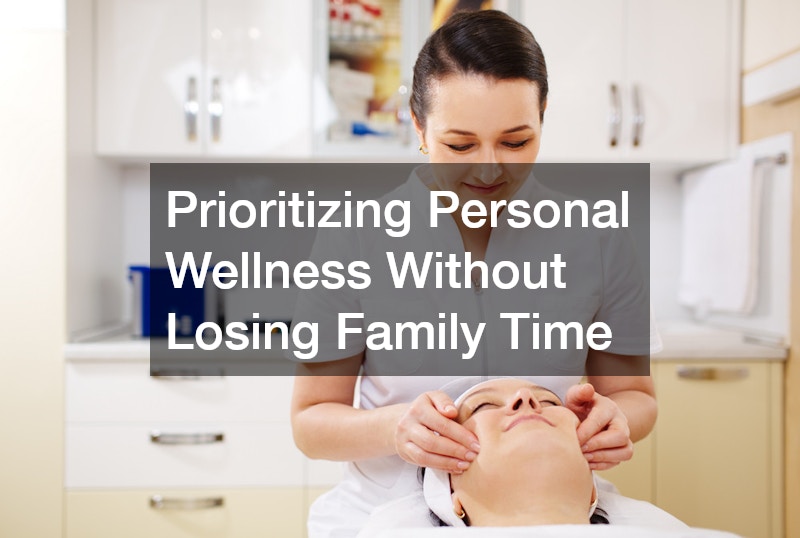
Self-care often gets postponed during busy family seasons, yet weekends are one of the few opportunities to address personal wellness. Appointments at med spas or treatments like laser hair removal don’t need to feel like they take away from family time.
The key is strategic scheduling. Many families plan personal appointments during natural gaps, such as when kids are already engaged in activities or spending time with another caregiver.
Helpful approaches include:
- Scheduling appointments near other planned stops
- Avoiding back-to-back commitments
- Planning quieter activities afterward if needed
- Being open with kids about why self-care matters
When adults prioritize wellness responsibly, they model balance and sustainability for their children.
Navigating Adult-Only Errands and Conversations Thoughtfully
Some weekend tasks require discretion and intentional planning, especially when children are involved. Visiting a cannabis store, for example, may be part of an adult’s routine but still requires thoughtful handling within a family context.
Many families choose to:
- Schedule adult-only errands during childcare windows
- Combine errands to reduce transitions
- Prepare age-appropriate explanations if questions arise
- Set clear household boundaries around adult topics
When handled calmly and proactively, these errands don’t disrupt family flow or create unnecessary tension.
Building a Repeatable Weekend Planning System

Families who feel most satisfied with their weekends often rely on simple systems rather than constant decision-making. When every weekend requires starting from scratch, mental fatigue builds quickly. A repeatable planning rhythm removes much of that pressure by creating familiar steps that guide decisions without overthinking. Instead of asking, “What should we do this weekend?” from a blank slate, families can plug choices into an existing framework.
Why a repeatable system helps
A consistent planning rhythm:
- Reduces decision fatigue
- Sets clear expectations for everyone
- Prevents last-minute stress
- Makes weekends feel more intentional
Core elements of a simple weekend planning rhythm
1. Hold a short midweek check-in
- Keep it to about 15 minutes
- Aim for midweek, when the weekend is close but not rushed
- Review obligations, energy levels, and priorities
- Flag anything that might cause stress if left unplanned
2. Use a shared calendar
- Choose a format everyone can access (digital or physical)
- Make all commitments visible in one place
- Look for potential schedule overload early
- Reduce surprises and miscommunication
3. Rotate the focus of your weekends
Instead of trying to do everything every weekend, many families rotate themes:
- Rest-focused weekends for recovery
- Social weekends for connection
- Exploration weekends for new experiences
- Reset weekends for errands and organization
This rotation reassures everyone that their needs will be addressed over time, even if not all at once.
Reflect briefly to improve future weekends
4. Do a quick weekend reflection
This doesn’t need to be formal or critical. Even a few minutes helps.
- Note what felt good
- Identify what felt rushed or draining
- Share one thing each person enjoyed
- Mention one thing that could be adjusted next time
Examples of helpful reflections:
- “Saturday felt a bit too packed.”
- “The slower morning worked really well.”
- “One big activity was enough for the day.”
Let the system evolve over time
- Adjust your rhythm as kids grow, and schedules change
- Keep what works and let go of what doesn’t
- Avoid aiming for perfection or rigid rules
Over time, these habits make weekend planning faster and more intuitive. Decisions become easier because they’re grounded in real experience rather than guesswork. The goal is to support your family’s actual needs and create weekends that feel intentional, balanced, and aligned with what matters most.
When families plan around local experiences with clarity and flexibility, weekends stop feeling rushed and start feeling restorative.