
The decision of how and where to support an aging loved one as they navigate their golden years is one of the most emotionally profound and logistically complex challenges a family will ever face. It is a crossroad marked by deep affection, a desire to protect independence, and the stark reality of shifting physical or cognitive needs. For many adult children, the realization that a parent needs help arrives gradually—a missed medication here, a minor bruise from an unmentioned stumble there. Regardless of how you arrived at this juncture, the question that looms largest is almost always the same: Should we bring care into the home, or is it time to consider a dedicated community?
The scope of this guide is designed to dismantle the overwhelming mountain of information surrounding this decision and break it down into digestible, actionable insights. Choosing between staying at home with personalized support and transitioning to a structured residential environment is not a matter of finding a universal “right” answer. Instead, the goal is to discover the specific solution that honors your loved one’s health requirements, aligns with your family’s financial reality, and preserves their dignity and lifestyle goals.
Assessing the Need: Evaluating Your Loved One’s Current Reality
Before comparing the merits of various care models, you must establish an accurate baseline of your loved one’s current daily life. It is common for seniors to minimize their struggles during casual phone calls or short visits, often out of a fierce desire to maintain autonomy. Therefore, identifying the subtle signs that a living situation is no longer viable requires keen observation.
Conducting a Home Safety Audit
Evaluating the physical environment is the first step in assessing overall need. Walk through your loved one’s living space with a critical eye, looking for indicators that daily tasks are becoming unmanageable. Look for missed medications, which may present as full pill organizers past their due date. Check the kitchen for expired or moldy food, which can signal that grocery shopping or cooking has become too difficult or confusing. Uncollected mail, unpaid bills, a neglected yard, or a noticeable decline in household cleanliness are all strong indicators that the demands of maintaining a home are eclipsing the senior’s capabilities.
Mapping the Daily Activities
To quantify exactly how much help is needed, professionals categorize daily tasks into Activities of Daily Living (ADLs) and Instrumental Activities of Daily Living (IADLs). ADLs encompass fundamental self-care tasks such as bathing, dressing, and eating. IADLs are more complex tasks necessary for independent living, including managing finances, preparing meals, and managing communication. If a senior is struggling primarily with IADLs, senior home care services may be the ideal starting point to provide targeted assistance with cooking, cleaning, and transportation. However, if they require consistent, hands-on help with multiple ADLs, a move to an assisted living environment might be necessary to ensure their safety and physical well-being are monitored around the clock.
Actionable Tips for Assessing Need
-
Create a 7-day activity log to track exactly where a loved one struggles most during the week.
-
Schedule a professional geriatric care assessment with a licensed social worker or nurse to get an unbiased, comprehensive evaluation of your loved one’s functional needs.
-
Document any sudden weight loss or gain, which frequently points to nutritional deficiencies or an inability to safely prepare balanced meals.
The In-Home Care Route: Maximizing Independence in Familiar Surroundings
For the vast majority of seniors, the preference to age in place is deeply rooted. Home is a repository of decades of memories, a symbol of personal achievement, and a familiar sanctuary where they hold complete autonomy. Choosing to introduce professional support into this environment allows seniors to retain their established routines, live alongside cherished pets, and remain anchored to their local neighborhood networks.
The Psychology of Home
Preserving a sense of identity is intimately tied to one’s environment. Moving to an unfamiliar place can sometimes trigger confusion or a sense of loss in older adults. By utilizing in home care, families can preserve their loved one’s daily rhythms, allowing them to wake up, eat, and sleep according to their own lifelong preferences rather than a facility’s schedule. This continuity of environment can be incredibly therapeutic, providing a sense of stability and comfort.
Customizing One-on-One Support
One of the greatest advantages of private care is its inherent flexibility. Unlike a residential setting where staff split their attention among dozens of residents, a private caregiver focuses entirely on one individual. This care can scale precisely to your family’s needs, beginning with just a few hours a week for companionship or light housekeeping. As care needs progress, these services can seamlessly expand to include medical management or specialized physical rehabilitation services aimed at restoring mobility and strength after an illness or surgical procedure.
Actionable Tips for In-Home Care Success
-
Interview at least three home care agencies and ask specific questions about their caregiver vetting processes and how they handle backup care.
-
Design a comprehensive caregiver communication log or binder to keep in the home, ensuring seamless updates regarding medication administration and daily moods.
-
Introduce a new caregiver gradually, perhaps starting with short visits focused on a non-threatening activity like grocery shopping or light cooking.
Modifying the Environment: Tech and Tools for Aging in Place
While the emotional appeal of staying at home is clear, the physical reality of a standard house can pose significant dangers to an aging body. Most homes feature steep stairs, low lighting, and slippery surfaces. To transform a traditional house into a safe haven, families must proactively identify physical hazards and embrace modern technological interventions.
Eliminating Environmental Hazards
The bathroom and the staircase are statistically the most dangerous areas of a home for older adults. Modifying these spaces is an absolute necessity to implement an effective strategy for fall prevention. Simple structural updates can dramatically lower injury risks. Installing dual handrails on staircases, placing non-slip mats in the tub, and mounting secure, wall-anchored grab bars near the toilet and shower can mean the difference between independence and a catastrophic injury.
Leveraging Modern Technology
The rise of assistive technology has revolutionized the concept of independent living. Families no longer have to choose between hovering constantly or worrying endlessly. Integrating home automation systems into a senior’s residence provides a subtle, non-intrusive safety net. Smart technology allows family members to monitor environmental conditions and routines from afar, offering peace of mind while fully respecting the senior’s privacy.
Actionable Tips for Smart Home Modifications
-
Upgrade to smart lighting systems that utilize motion sensors to automatically illuminate dark pathways from the bed to the bathroom at night.
-
Install smart stove-shutoff devices that cut power to heating elements if they are left unattended for a specified period.
-
Replace traditional key locks with a smart deadbolt featuring a keypad or smartphone access, allowing emergency services or trusted caregivers to enter without forcing entry.
The Retirement Community Route: Shared Living and Built-In Support
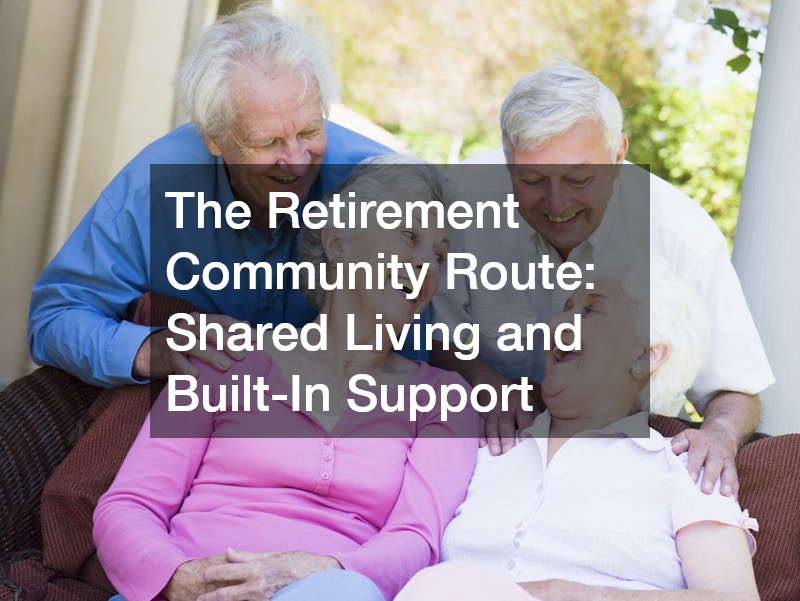
While modifying a home can address physical safety, it often struggles to solve another major threat to senior health: isolation. The loneliness epidemic among older adults is linked to higher risks of depression and cognitive decline. For seniors who find themselves increasingly cut off from friends, unable to drive, or living alone, transitioning to a managed community can mark the beginning of a vibrant new chapter.
The Power of Built-In Community
A modern retirement community is fundamentally designed around human connection and holistic wellness. These campuses offer a social ecosystem where opportunities for engagement are steps from a resident’s front door. From organized educational lectures and fitness classes to communal dining rooms where residents share meals, these environments actively combat isolation. The convenience of having maintenance-free living frees up significant mental and physical energy for seniors to pursue hobbies.
The Continuum of Care
Another compelling argument for selecting a residential community is the predictability it offers for future health needs. Many modern campuses feature independent living apartments, higher-level care wings, and skilled nursing facilities all on a single property. Experienced professionals navigate these transitions through meticulous senior living placements, ensuring that if a resident’s health changes significantly, they can receive advanced medical care without the upheaval of moving to an entirely new geographic location.
Actionable Tips for Evaluating Communities
-
Visit prospective communities multiple times at different hours of the day, making sure to share a meal in the dining room and chat with current residents.
-
Request to review the community’s state inspection reports and licensing history to reveal any past safety or staffing deficiencies.
-
Analyze the monthly activity calendar to ensure the programming aligns with your loved one’s genuine interests.
Navigating Complex Cognitive Needs: Alzheimer’s and Dementia Options
When a loved one is diagnosed with a progressive cognitive condition, the care calculus shifts dramatically. The memory loss, confusion, and behavioral changes associated with these conditions require specialized environments and communication strategies that go far beyond standard physical assistance.
Evaluating Specialized Care Environments
Families dealing with cognitive decline must carefully assess the limitations of their own stamina and home environment. While home care is possible in the early stages, advanced cognitive decline often requires a secure, specialized environment. A dedicated memory care service provides architectural layouts specifically engineered to reduce anxiety and wandering behaviors. These specialized wings feature secured exits, clear visual cues, and simplified pathways that allow residents to move freely without becoming lost.
Evaluating Staff Expertise and Programming
The quality of care for a cognitively impaired individual depends entirely on the specialized training of the staff. When evaluating dementia care services, families should look for programs that emphasize person-centered care and validation therapy over rigid schedules. Staff should be highly trained in de-escalating agitation and implementing activities that tap into long-term memories, such as music therapy or reminiscent storytelling, to keep residents engaged.
Actionable Tips for Memory and Cognitive Care
-
Look for communities that utilize validation therapy training, which meets a confused senior in their perceived reality rather than trying to forcefully reorient them to facts.
-
Inspect the physical layout of a secure unit to ensure it features circular walking paths, allowing residents to wander safely without hitting frustrating dead ends.
-
Inquire about the staff-to-resident ratio during the evening and overnight shifts, as behavioral challenges like “sundowning” often peak during these late hours.
Financial Strategy: Comparing Costs and Funding Mechanisms
Behind every care discussion lies the pragmatic reality of finances. Long-term care is a major financial commitment, and many families are surprised to discover how quickly costs compound under different care models. To make a financially sustainable decision, you must conduct a detailed comparison that goes beyond surface-level numbers.
To accurately evaluate the cost of staying home versus moving, you must calculate the true expenses of maintaining a private residence. This means adding up property taxes, homeowner’s insurance, utilities, maintenance, and occasional structural modifications. When you add the hourly or daily cost of a professional home care agency to these base expenses, staying at home can sometimes equal or exceed the monthly cost of an all-inclusive residential community.
Funding these care options requires exploring resources beyond personal savings. Families should research alternative funding mechanisms early in the planning process:
-
Long-Term Care Insurance: Policies frequently cover both in-home care agencies and residential communities, provided specific care thresholds are met.
-
Veterans Aid and Attendance: An underutilized pension enhancement that provides monthly tax-free funds to eligible wartime veterans and their surviving spouses to offset care costs.
-
Home Equity Utilization: Reverse mortgages or specialized short-term bridge loans can unlock housing wealth to cover immediate care needs or ease the transition during a home sale.
The Emotional Transition: Managing Guilt and Resistance
Even with a flawless logistical blueprint and a solid financial plan, the transition to a new care model can stall due to emotional resistance. Adult children often carry a heavy burden of guilt, feeling as though they are failing their parents. Meanwhile, seniors may react to care suggestions with anger or denial, viewing the intervention as an indictment of their capability.
Navigating these difficult conversations requires a major shift in perspective. Adult children must understand that moving a parent to a community or bringing in a caregiver is not “giving up” on them; rather, it is stepping up their level of care to a professional standard that a family member cannot safely provide alone. When talking to a resistant parent, it is highly effective to frame the changes around your own needs and peace of mind rather than their deficiencies. Using “I” statements allows you to express your love and concern without making the senior feel defensive.
It is also incredibly helpful to involve trusted, objective third parties to deliver or reinforce these recommendations. Seniors will often resist advice from their own children due to long-standing family dynamics, yet they will willingly follow the exact same guidance when it comes from a medical professional, an elder law attorney, or a spiritual leader.
The Power of Proactive Choices: Securing Dignity and Peace of Mind
The journey through the complexities of senior care is ultimately a search for balance—a way to harmonize physical safety with personal dignity, emotional well-being with financial sustainability, and independence with vital medical support. Whether your family decides that the best path forward is to modify the family home and bring in personalized care or to embrace the community, socialization, and security of a residential facility, the most critical element is proactivity. Waiting for an emergency, such as a serious fall or a medical crisis, strips your family of the time needed to research choices calmly.
By initiating these evaluations, financial calculations, and family conversations early, you empower your loved one to be an active participant in designing their own future. This collaborative approach transforms what could be a jarring, forced upheaval into a smooth, respectful transition. Remember that the ultimate goal of this journey is not to restrict your loved one’s life, but to enrich it—ensuring they spend their remaining years surrounded by the safety, care, and dignity they so richly deserve.